
Home Loans in Kyle, Explained Plainly
We help people buy, refinance and borrow against equity with conventional, FHA, VA and USDA loans, plus HELOCs, bank statement loans, bridge loans and hard money for investors. Sit down with us in Kyle, or talk by phone or video from Buda or San Marcos. You get a real rate quote and a clear next step.
- Straight rate quotes
- Fees broken out line by line
- Office, phone or video
- One loan officer start to finish

A Mortgage Office Close to Home
We are a small mortgage shop based in Kyle. We started this business because too many people walk into a loan without knowing what they signed. We fix that by slowing down and explaining things in everyday words.
Our borrowers are first-time buyers, veterans using benefits they earned, self-employed folks whose tax returns do not show the whole picture, and investors who need to move fast. Some just want to refinance or tap equity for a new roof or a kid's tuition. Each one gets the same thing from us: a straight answer, a clear plan and a loan officer who returns calls.
- License
- NMLS licensed for 10 years
- In business
- 11 years in the mortgage industry
Home Loans for Buyers, Owners and Investors
Most people who call us want one of a few things: buy a first place, move up, refinance to a better rate, or pull cash out of equity. We handle conventional loans, FHA loans, VA loans and USDA loans for buyers. For people who already own, there is the HELOC. Self-employed borrowers often fit bank statement loans, and investors or people buying before they sell look at hard money loans and bridge loans.

Conventional Loans
Standard home loans for buyers with steady income and fair credit, with mortgage insurance that can come off as your equity grows.

FHA Loans
Government-backed home loans with a low down payment and more room on credit, explained plainly by a loan officer you can talk to.

VA Loans
Home loans for veterans, active-duty members and eligible surviving spouses, often with no down payment and no monthly mortgage insurance.
USDA Loans
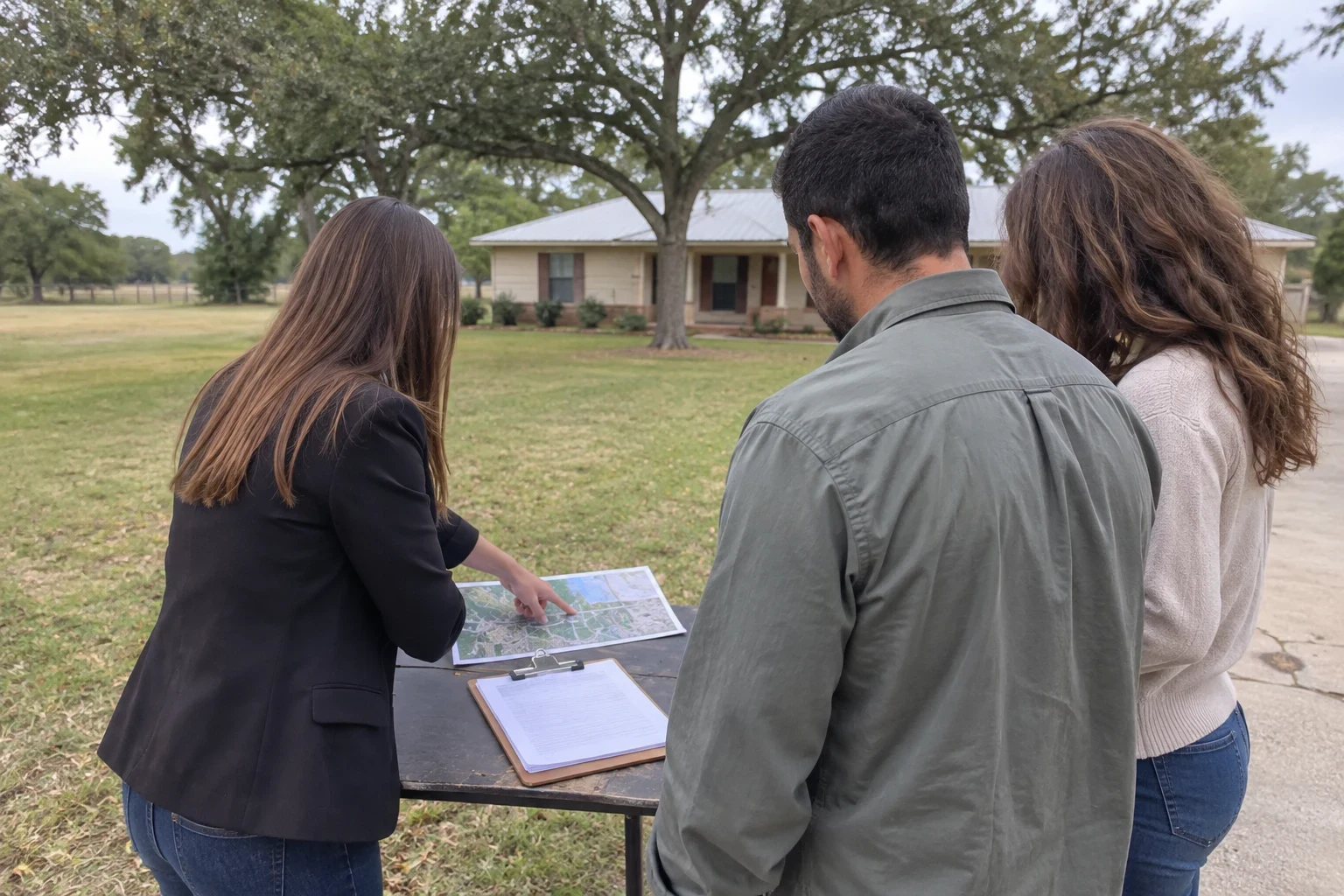
A no-down-payment home loan for buyers in eligible areas with moderate income. We check the address and the income limits before you fall for a house.

HELOC
A line of credit against the equity you've built, so you can pay for big projects or bills without refinancing the first mortgage you already have.

Hard Money Loans
Short-term loans for investors and fixer purchases, judged mostly on the property and your exit plan, with every fee shown in writing.
Bank Statement Loans
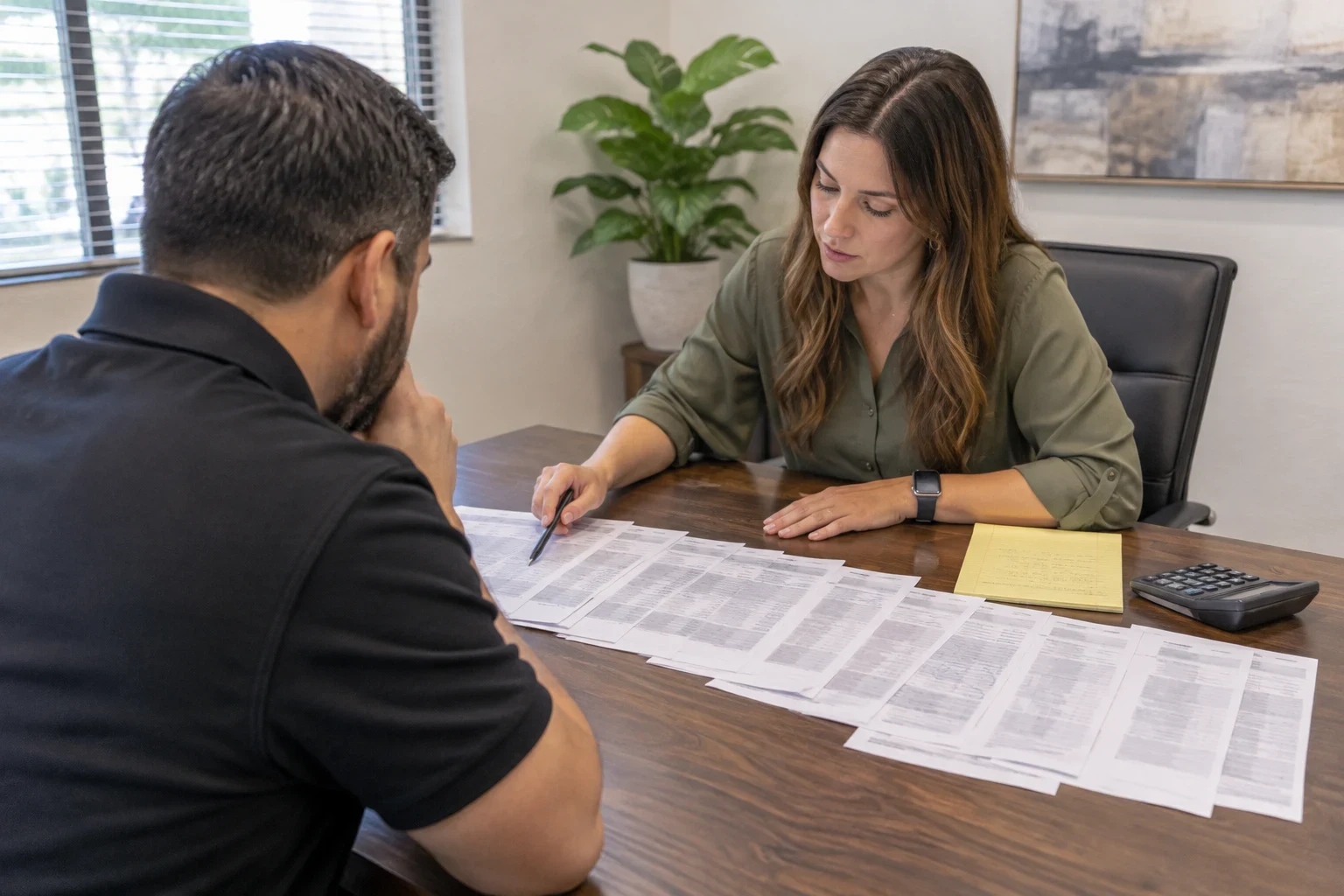
For self-employed borrowers whose tax returns undersell their income. Qualify for a home loan using 12 or 24 months of bank deposits.

Bridge Loans
Short-term financing that uses equity in the property you own now, so you can make an offer on the next one without waiting for a sale.
What Moves Your Rate and Closing Costs
No two borrowers get the exact same rate. A handful of things set it, and most of them you can see coming. Here is what we look at when we build your quote.
We give you a written loan estimate with every fee listed once we have your application. Before that, a phone rate quote is a good-faith number based on what you tell us.
- Credit score
- Higher scores usually earn better rates and lower mortgage insurance. A small bump in score can matter, so we will point out quick fixes if there are any.
- Down payment and loan size
- Putting more down lowers the loan amount and the risk on paper. On conventional loans, reaching 20 percent down usually removes private mortgage insurance.
- Loan type
- FHA, VA, USDA and conventional loans each price differently and carry their own fees, like the VA funding fee or FHA mortgage insurance. Hard money and bridge loans cost more because they close fast and lend on the property.
- Debt-to-income
- We compare your monthly debts to your income. A lower ratio gives you more loan choices and can help the rate.
- Taxes, insurance and escrow
- Texas property taxes run high, and they land in your monthly payment through escrow. We figure them into your quote so the payment you see is close to the one you will pay.
- Points and rate lock timing
- You can pay points to buy the rate down, or skip them and keep cash in hand. When you lock, and for how long, also affects the number.
Where We Lend
Our office is in Kyle, and we work with borrowers all over the area. That includes Buda, San Marcos, Wimberley and Lockhart, along with Belterra, Shady Hollow and Redwood. If you are buying or refinancing anywhere nearby, we can help.
- Kyle
- San Marcos
- Buda
- Shady Hollow
- Redwood
- Wimberley
- Lockhart
- Belterra
Can't make it to the office? Most of the work happens by phone and video, and you only need to show up in person for closing at the title company.
How a Loan Runs, Start to Closing
Most loans follow the same path. Here is what happens and what we need from you at each step.
- 1
A quick call
Tell us what you want to do and roughly what you earn, owe and have saved. We give you a rate quote and talk through which loan types fit.
- 2
Pre-qualification and pre-approval
With your OK, we check credit and look at pay stubs, tax returns or bank statements. You get a pre-approval letter you can hand to your agent before you make an offer.
- 3
Application and documents
Once you have a contract, we take the full application and lock your rate when you are ready. We send a short list of what is still needed, not a pile of forms.
- 4
Appraisal and underwriting
The appraiser values the property and the underwriter reviews your file. If they ask a question, we explain it plainly and help you answer it fast.
- 5
Closing
You sign at the title company, get your keys or your funds, and we stay reachable after for any questions on your first payment.

How We Work With You
We treat every file like a neighbor's. That means plain talk, no pressure, and telling you when a loan is not the right fit.
We tell you the real number
Your rate quote is based on your credit, your down payment and the property, not a teaser rate built for someone else. If something will change it, we say so up front.
Every fee on paper
You see lender fees, title charges, escrow and prepaid items listed out. Nothing new shows up at the closing table that we did not talk about first.
The same person picks up
Your loan officer stays with you from the first call to the day you sign. You do not get passed around or have to explain your file twice.
An honest no
Sometimes the right answer is to wait six months, pay down a card, or save a bit more. We would rather tell you that than push you into a loan that strains your budget.
Meet how it suits you
Come to our office, call, or hop on a video chat after work. Plenty of our borrowers never set foot in the office until closing.
Questions People Ask Us
Something not covered here? (512) 881-3709
How much do I need for a down payment?
It depends on the loan. VA and USDA loans can mean no down payment for those who qualify. FHA loans can start at 3.5 percent, and some conventional loans start at 3 percent. You will also need money for closing costs, which we lay out in your quote.
What credit score do I need to qualify?
Each loan type has its own floor. FHA is often the most forgiving, and conventional loans reward higher scores with better pricing. Give us a call and we will tell you where you stand and what could help.
What is the difference between pre-qualification and pre-approval?
Pre-qualification is a first look based on what you tell us. Pre-approval means we have checked your credit and documents, so sellers take your offer more seriously. Most buyers start with one and move to the other before house hunting.
Will a rate quote hurt my credit?
A phone rate quote can start from what you tell us, with no credit pull. A pre-approval needs a credit check, and we will always tell you before we run one.
I am self-employed. Can I still get a home loan?
Yes, in many cases. If your tax returns show your income well, a conventional or FHA loan may work. If write-offs make your income look low, bank statement loans use your deposits instead.
How much equity can I take out in Texas?
Texas law generally caps cash-out refinances and home equity loans at 80 percent of the property value, counting what you already owe. A HELOC follows the same limit. We will run the numbers so you know what is possible before you apply.
How long does it take to close?
Many purchase loans close in about a month, but it depends on the loan type, the appraisal and how quickly documents come in. Bridge and hard money loans can move faster. We give you a realistic date up front and keep you posted.
Find Out Where You Stand
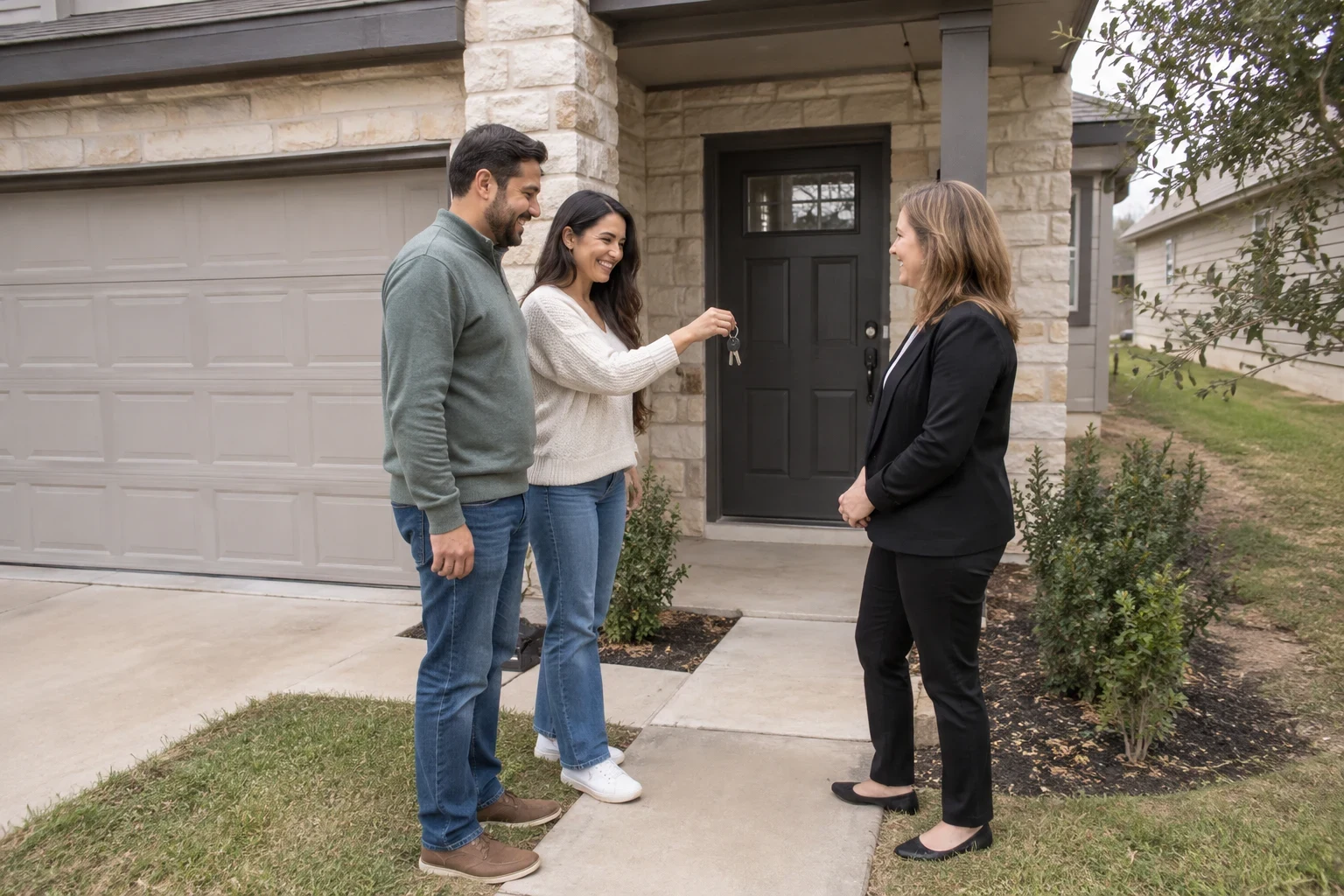
A short phone call gets you a real rate quote and a clear idea of what you qualify for. No pressure, just numbers and a plan.